Sunny · 23° · Jaloque 7 km/h · Rises 08:17 Sets 19:17 · Waxing gibbous rises 17:13 ·
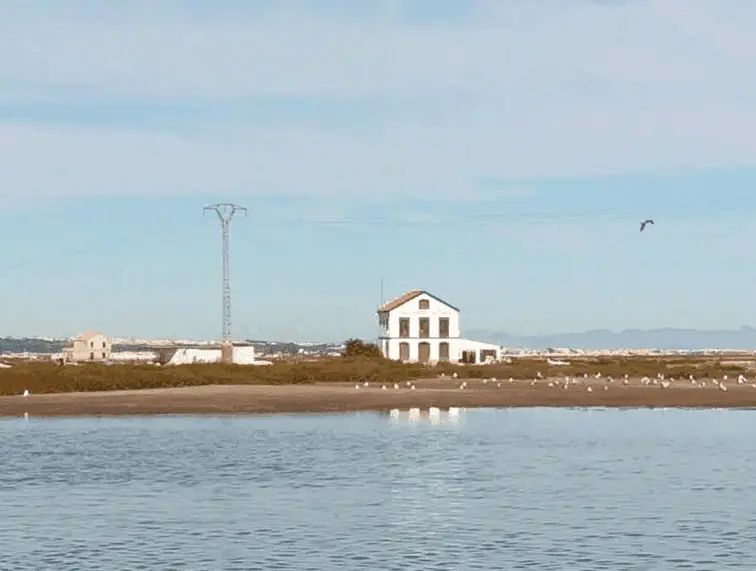
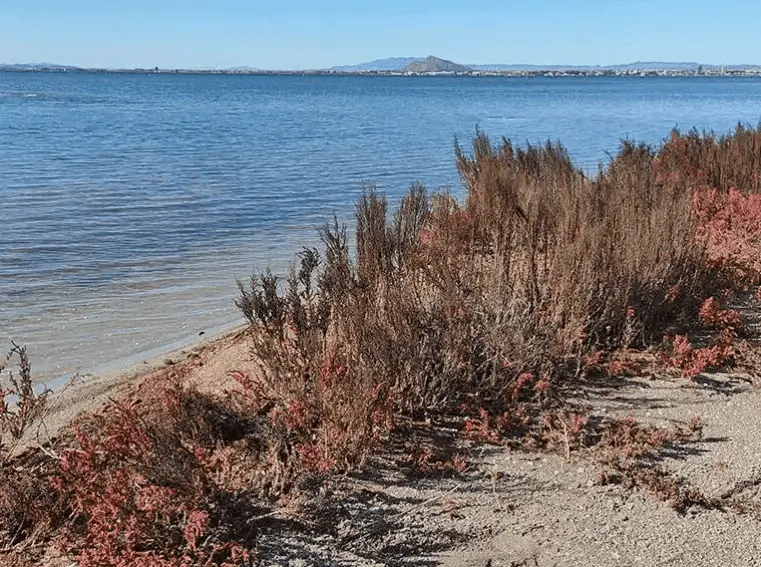
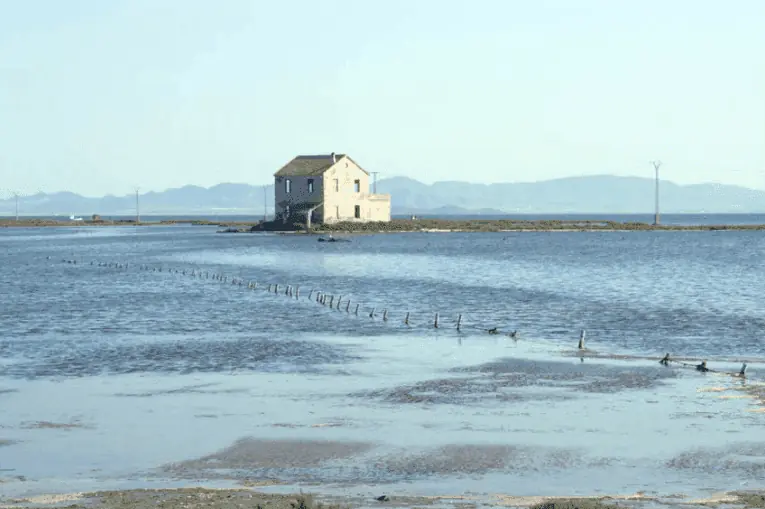
Salt-flat ecosystem and wetland at the northern end of La MangaTraditional encañizada fishing trap in the salt flats of La MangaDunes and saltmarsh in the Encañizadas salt-flat ecosystemTidal channel in the salt-flat ecosystem of La Manga

Wetland, dunes and channels where the Gran Vía ends

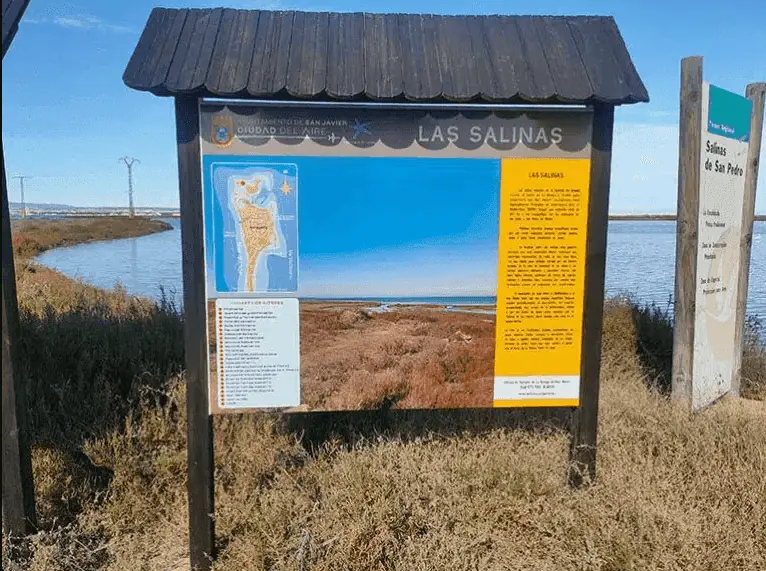
The salt-flat ecosystem at the end of La Manga is the wetland extending beyond km 18, at Punta de los Guzmanes, where the land breaks into channels and pools before reaching the salt flats of San Pedro del Pinatar. It is a protected area of Mar Menor, freely accessible, and preserves traditional encañizadas fishing traps.

A landscape of water and sand

Salt ponds, reed beds, saltmarsh, dunes and the channels through which Mar Menor drains into Mediterráneo coexist here. The land is almost flat, with silty shallows exposed when the wind pushes water from one side to the other. This tide-like movement is very unusual in Mediterráneo.

Fishing with encañizadas

An ancient fishing method survives in these channels: mazes of reeds and nets guide sea bream, mullet and sole into an enclosure as they pass between the two seas. Encañizada de la Torre, in this same area, is the best known.

How to explore it

The area is shared by San Javier and San Pedro del Pinatar and borders the Parque Regional de las Salinas y Arenales de San Pedro del Pinatar. The easiest way to explore is from the salt flats side, where a flat path can be walked or cycled. The channels can also be seen from the end of the Gran Vía. For similar visits, see the places of interest in La Manga.

What's on offer

Services

  • Visit independently
  • Public access

Frequently asked questions

Where is the end of La Manga?

Beyond km 18 of the Gran Vía, at Punta de los Guzmanes. From there, the channels and wetland extend to the salt flats of San Pedro del Pinatar.

What are encañizadas?

A traditional fishing method using reeds driven into the bed of the channels to guide fish into an enclosure as they pass from Mar Menor to Mediterráneo.

Can you visit by bicycle?

Yes. The path from the salt flats side is flat and suitable for walking or cycling.

What protection does this area have?

It is part of Mar Menor, designated a Specially Protected Area of Importance for Mediterráneo, and borders the regional park of the San Pedro del Pinatar salt flats.

Reviews

Latest 4 of 4

The 5,0 average comes solely from reviews left on Viviendo La Manga. We don't import ratings from Google or any other platform.

  • D Domingo12 June 2025 ★★★★★

    The encañizadas fishing traps and salt flats are a natural spectacle. You can see beautiful flamingos

    Report this review

    Tell us what's wrong with this review and we'll check it. Reports don't remove reviews automatically: a person reviews each one.

    Reason
  • C Claudia T2 January 2025 ★★★★★

    great for spending some time watching the birds in this spot!

    Report this review

    Tell us what's wrong with this review and we'll check it. Reports don't remove reviews automatically: a person reviews each one.

    Reason
  • R RITAVO29 December 2024 ★★★★★

    We love going to see the flamingos 🦩

    Report this review

    Tell us what's wrong with this review and we'll check it. Reports don't remove reviews automatically: a person reviews each one.

    Reason
  • G Greta9 September 2024 ★★★★★

    An amazing natural ecosystem, ideal for birdwatching. We spotted flamingos. Wonderful

    Report this review

    Tell us what's wrong with this review and we'll check it. Reports don't remove reviews automatically: a person reviews each one.

    Reason

Leave a review

We review it before publication to prevent spam.